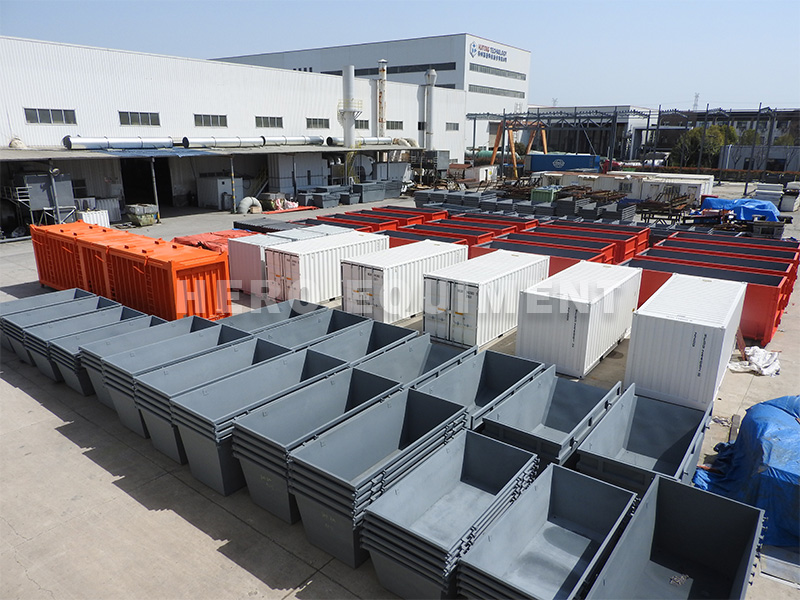
Калі справа даходзіць да эфектыўнага кіравання адходамі ў прамысловых умовах, выбар правільнага кантэйнера мае вырашальнае значэнне. Прамысловы скіп - гэта не проста кантэйнер для смецця; гэта жыццёва важны кампанент вашай стратэгіі кіравання адходамі, які ўплывае на эфектыўнасць, бяспеку і адпаведнасць. З мноствам даступных памераў, матэрыялаў і функцый выбар ідэальнага кантэйнера можа здацца складаным. Гэта ўсёабдымнае кіраўніцтва правядзе вас праз асноўныя фактары, якія неабходна ўлічваць, гарантуючы, што вы прымеце абгрунтаванае рашэнне з улікам вашых прамысловых патрэб.
1. Ацаніце ўтварэнне адходаў
Разуменне тыпу адходаў
Першым крокам у выбары правільнага кантэйнера з'яўляецца ацэнка тыпу адходаў, якія ствараюцца вашымі прамысловымі працэсамі. Розныя патокі смецця патрабуюць розных рашэнняў для кантэйнераў:
Агульныя адходы: бяспечныя адходы, такія як папера, кардон, пластмаса і агульнае смецце.
Адходы будаўніцтва і зносу (C&D): уключаюць бетон, цэглу, дрэва, металы і дахавыя матэрыялы.
Небяспечныя адходы: рэчывы, якія ўяўляюць небяспеку для здароўя або навакольнага асяроддзя, такія як хімікаты, батарэі і некаторыя фарбы.
Зялёныя адходы: арганічныя матэрыялы, такія як лісце, галіны і скошаная трава.
Ацаніце аб'ём адходаў
Дакладная ацэнка аб'ёму адходаў, якія вы ствараеце, дапамагае вызначыць памер неабходнага кантэйнера. Улічвайце як сутачную, так і сукупную колькасць адходаў за перыяд арэнды. Недаацэнка можа прывесці да перапаўнення і дадатковых выдаткаў, у той час як завышэнне можа прывесці да непатрэбных выдаткаў.
2. Вызначце адпаведны памер
Скіп-кантэйнеры бываюць розных памераў, звычайна вымяраюцца ў кубічных метрах. Звычайныя памеры вар'іруюцца ад 2 да 40 кубічных метраў, улічваючы розныя аб'ёмы адходаў і абмежаванні прасторы.
Сметніцы малога і сярэдняга памеру (2-10 м³)
Ідэальна падыходзіць для: малых прадпрыемстваў, офісаў або праектаў з абмежаваным утварэннем адходаў.
Выпадкі выкарыстання: агульная ўтылізацыя адходаў, невялікія будаўнічыя пляцоўкі, ландшафтныя праекты.
Вялікія кантэйнеры (10-40 м³)
Падыходзіць для: прамысловых аб'ектаў, буйных будаўнічых праектаў або маштабных рамонтных работ.
Выпадкі выкарыстання: вываз масавых адходаў, адходы C&D, прамысловыя пабочныя прадукты.
Улічвайце наяўнасць прасторы
Пераканайцеся, што абраны памер бункера зручна змяшчаецца ў прызначаным месцы, не перашкаджаючы працы і не ствараючы небяспекі для бяспекі. Вымерайце прастору, дзе будзе размешчаны кантэйнер, улічваючы абмежаванні па вышыні і даступнасць для машын для збору адходаў.
3. Выберыце правільны матэрыял
Скіп-кантэйнеры вырабляюцца з розных матэрыялаў, кожны з якіх мае свае перавагі:
сталь
Трываласць: вельмі трывалы і даўгавечны, падыходзіць для цяжкіх нагрузак.
Бяспека: забяспечвае лепшую бяспеку ад крадзяжу і несанкцыянаванага доступу.
Тэхнічнае абслугоўванне: патрабуецца рэгулярнае абслугоўванне для прадухілення іржы і карозіі.
Пластыкавыя
Лёгкі: прасцей у звароце і транспарціроўцы, памяншаючы лагістычныя праблемы.
Устойлівасць да надвор'я: устойлівы да вільгаці і ўльтрафіялетавых прамянёў, ідэальна падыходзіць для выкарыстання на вуліцы.
Эканамічна: у цэлым больш даступны, чым сталёвыя кантэйнеры.
Вуд
Экалагічна чысты: устойлівы варыянт, асабліва калі выраблены з перапрацаваных матэрыялаў.
Эстэтыка: можна наладзіць для больш натуральнага або вясковага выгляду.
Трываласць: Менш трывалы, чым сталь або пластык, патрабуе больш частай замены.
Улічвайце свае патрэбы
Выберыце матэрыял, які адпавядае вашым эксплуатацыйным патрабаванням, бюджэту і меркаванням навакольнага асяроддзя. Для вялікіх аб'ёмаў прамысловых адходаў сталёвыя кантэйнеры могуць быць пераважней, у той час як пластыкавых кантэйнераў можа быць дастаткова для меншых, менш інтэнсіўных аперацый.
4. Ацаніце дадатковыя магчымасці
Сучасныя бункеры абсталяваны рознымі функцыямі, якія могуць павысіць функцыянальнасць і бяспеку:
Колавыя пары і ручкі
Спрашчайце лёгкае перамяшчэнне і размяшчэнне бункера, асабліва ў месцах без механічнага пад'ёмнага абсталявання.
Параметры вечка
Адкрыты верх: дазваляе лёгка загружаць буйнагабарытныя прадметы, але забяспечвае меншую абарону ад разліву і непагадзі.
Закрыты верх: забяспечвае лепшую бяспеку і прадухіляе рассыпанне смецця, ідэальна падыходзіць для небяспечных або дробназярністых адходаў.
Загрузка ззаду: Дазваляе загрузку са спіны, што можа быць больш эфектыўным для пэўных тыпаў адходаў.
Запорныя механізмы
Павышайце бяспеку, прадухіляючы несанкцыянаваны доступ, абараняючы каштоўныя матэрыялы і забяспечваючы выкананне правілаў абыходжання з адходамі.
Атмасфераізаляцыя
Для захоўвання на адкрытым паветры пераканайцеся, што кантэйнер мае належную ахову ад атмасферных уздзеянняў для абароны змесціва і падтрымання структурнай цэласнасці.
5. Улічвайце адпаведнасць нарматыўным патрабаванням
Кіраванне прамысловымі адходамі падпарадкоўваецца розным мясцовым, дзяржаўным і федэральным нормам. Пераканайцеся, што кантэйнер і спосабы ўтылізацыі адходаў адпавядаюць усім адпаведным законам:
Класіфікацыя адходаў
Належным чынам класіфікуйце свае адходы ў адпаведнасці з правіламі ўтылізацыі. Небяспечныя адходы патрабуюць спецыяльных працэдур абыходжання і ўтылізацыі.
Дазволы і ліцэнзіі
Праверце, ці патрэбныя вам якія-небудзь дазволы або ліцэнзіі на захоўванне і ўтылізацыю адходаў, асабліва для вялікіх аб'ёмаў або небяспечных матэрыялаў.
Прыродаахоўныя нормы
Пераканайцеся, што працэс утылізацыі адходаў адпавядае стандартам аховы навакольнага асяроддзя, каб мінімізаваць экалагічны ўплыў.
6. Ацаніце варыянты арэнды і пакупкі
Рашэнне аб арэндзе або куплі бункера залежыць ад некалькіх фактараў:
Перавагі арэнды
Эканамічная эфектыўнасць: ідэальна падыходзіць для кароткатэрміновых або перыядычных патрэб утылізацыі адходаў.
Тэхнічнае абслугоўванне і ўтрыманне: Арэндная кампанія займаецца тэхнічным абслугоўваннем, рамонтам і заменай.
Гнуткасць: Лёгка абнаўляйце або змяняйце памеры кантэйнераў у залежнасці ад змены аб'ёмаў смецця.
Перавагі пакупкі
Доўгатэрміновая эканомія: падыходзіць для пастаяннага ўтварэння вялікіх аб'ёмаў адходаў на працягу працяглых перыядаў.
Наладжванне: магчымасць наладзіць бункер для пропуску пад пэўныя патрэбы.
Права ўласнасці: поўны кантроль над актывам і яго выкарыстаннем.
Ацаніце свае доўгатэрміновыя планы кіравання адходамі і бюджэт, каб вызначыць найбольш эканамічна эфектыўны і практычны варыянт.
7. Даследуйце аўтарытэтных пастаўшчыкоў
Выбар надзейнага пастаўшчыка гарантуе якаснае абслугоўванне і падтрымку на працягу ўсяго працэсу кіравання адходамі:
Вопыт і рэпутацыя
Шукайце пастаўшчыкоў з вялікім вопытам кіравання прамысловымі адходамі і станоўчымі водгукамі кліентаў.
Спектр паслуг
Пераканайцеся, што пастаўшчык прапануе шырокі спектр памераў кантэйнераў, матэрыялаў і дадатковых паслуг, такіх як збор адходаў, перапрацоўка і ўтылізацыя.
Бяспека і адпаведнасць
Пераканайцеся, што пастаўшчык прытрымліваецца ўсіх стандартаў бяспекі і нарматыўных нормаў, забяспечваючы адпаведныя і бяспечныя бункеры.
Падтрымка кліентаў
Выбірайце пастаўшчыка, які прапануе аператыўную падтрымку кліентаў, аператыўна вырашаючы любыя праблемы і запыты.
8. Разлічыце агульныя выдаткі
Разуменне агульнага кошту выкарыстання сметніцы для пропуску дапамагае ў планаванні бюджэту і пазбяганні непрадбачаных выдаткаў:
Арэндная плата
Улічвайце штодзённыя, штотыднёвыя або месячныя стаўкі арэнды, уключаючы плату за дастаўку і самавываз.
Плата за ўтылізацыю
Улічыце выдаткі, звязаныя з утылізацыяй адходаў, якія могуць адрознівацца ў залежнасці ад тыпу і аб'ёму адходаў.
Дадатковыя паслугі
Улічвайце любыя неабходныя дадатковыя паслугі, такія як кантэйнеры, ачыстка або спецыяльная апрацоўка небяспечных адходаў.
Схаваныя выдаткі
Майце на ўвазе патэнцыйныя схаваныя выдаткі, такія як плата за перапаўненне, штрафы за несвоечасовае вяртанне або плата за празмерныя тыпы адходаў.
9. План падзелу адходаў
Эфектыўная сегрэгацыя адходаў можа аптымізаваць намаганні па перапрацоўцы і знізіць выдаткі на ўтылізацыю:
Асобныя патокі адходаў
Вылучыце асобныя кантэйнеры для розных тыпаў адходаў (напрыклад, звычайных адходаў, другаснай сыравіны, небяспечных адходаў), каб спрасціць працэс перапрацоўкі.
Маркіроўка і шыльды
Выразна маркіруйце кожны кантэйнер, каб забяспечыць належнае выкарыстанне і адпаведнасць правілам падзелу смецця.
Навучанне і інфармаванасць
Навучыце персанал правільнай практыцы падзелу адходаў для максімальнага павышэння эфектыўнасці і мінімізацыі забруджвання.
10. Забяспечце бяспеку і даступнасць
Правільнае размяшчэнне і даступнасць скіп-кантэйнераў важныя для бяспечнага і эфектыўнага абыходжання з адходамі:
Размяшчэнне
Размяшчайце кантэйнеры ў даступных месцах, якія не перашкаджаюць руху транспарту і не ўяўляюць небяспекі для бяспекі супрацоўнікаў і абсталявання.
Пагрузка і разгрузка
Забяспечце дастатковую прастору вакол бункера для лёгкай пагрузкі і разгрузкі, асабліва пры выкарыстанні цяжкай тэхнікі.
Меры бяспекі
Ужывайце такія меры бяспекі, як агароджа або камеры назірання, каб прадухіліць несанкцыянаваны доступ і патэнцыйны крадзеж.
Заключэнне
Выбар правільнага прамысловага кантэйнера прадугледжвае ўсебаковую ацэнку вашых патрэбаў у абыходжанні з адходамі, эксплуатацыйных патрабаванняў і бюджэтных абмежаванняў. Ацэньваючы такія фактары, як тып і аб'ём адходаў, памер кантэйнера і матэрыял, дадатковыя функцыі, адпаведнасць нарматыўным патрабаванням, варыянты арэнды ў параўнанні з купляй, рэпутацыю пастаўшчыка, агульныя выдаткі, раздзяленне адходаў і меркаванні бяспекі, вы можаце выбраць рашэнне для прапуску кантэйнера, якое павышае эфектыўнасць, забяспечвае адпаведнасць патрабаванням і спрыяе стратэгіі ўстойлівага кіравання адходамі.
Інвеставанне часу і намаганняў у выбар адпаведнага кантэйнера не толькі ўпарадкуе вашыя працэсы ўтылізацыі адходаў, але і паспрыяе больш бяспечнай і экалагічна адказнай прамысловай працы.



 тэлефон
Каментуйце
(0)