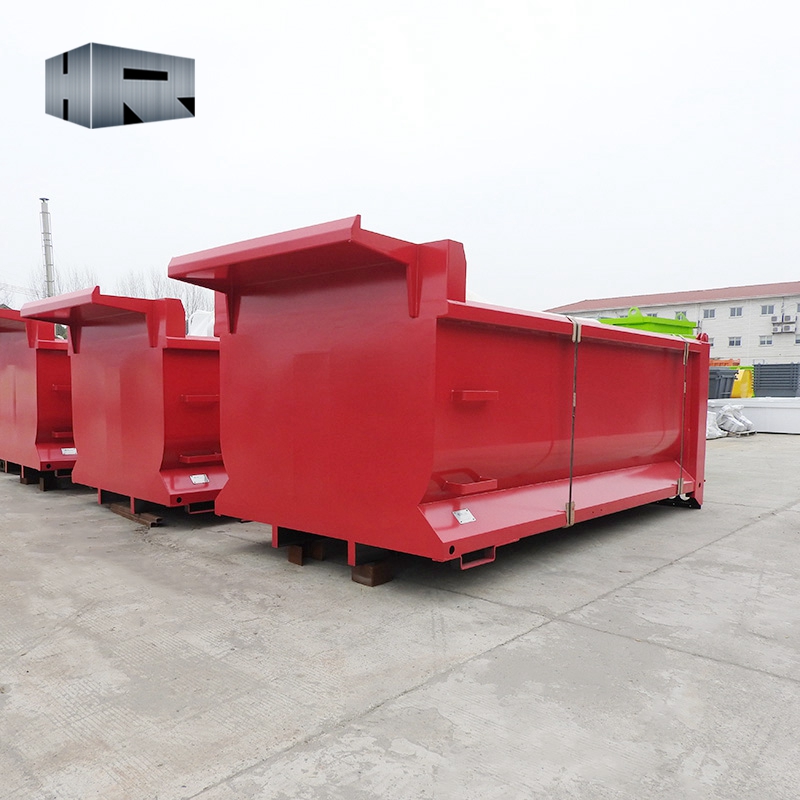
Усеабдымныя стандарты бяспекі, якія рэгулююць вытворчасць цяжкіх бункераў
Уводзіны ў стандарты бяспекі Skip Bin
Высокамоцныя скіп-кантэйнеры служаць найважнейшым абсталяваннем у будаўніцтве, прамысловасці і сектары кіравання адходамі, апрацоўваючы значныя грузы, ёмістасць якіх часта перавышае некалькі кубічных метраў. Вытворчасць гэтых трывалых кантэйнераў патрабуе строгага выканання шматлікіх стандартаў бяспекі, якія забяспечваюць структурную цэласнасць, эксплуатацыйную надзейнасць і абарону карыстальнікаў. Гэтыя правілы ахопліваюць спецыфікацыі матэрыялаў, прынцыпы канструкцыі, вытворчыя працэсы і эксплуатацыйныя рэкамендацыі, ствараючы комплексную аснову, якая разглядае ўсе патэнцыйныя небяспекі, звязаныя з выкарыстаннем смеццевага бака.
Стандарты бяспекі для бункераў значна змяніліся ў адказ на прамысловыя аварыі, экалагічныя праблемы і тэхналагічны прагрэс. Сучасныя нарматыўныя акты ўлічваюць урокі, атрыманыя з няспраўнасцяў абсталявання, адначасова прадбачачы новыя праблемы, звязаныя з большай нагрузкай, цяжкімі ўмовамі эксплуатацыі і спецыялізаванымі адходамі. У гэтым артыкуле разглядаецца складаная сетка міжнародных, нацыянальных і галіновых стандартаў, якія рэгулююць вытворчасць цяжкіх бункераў, даючы вытворцам і карыстальнікам неабходныя веды для забеспячэння адпаведнасці і бяспекі.
Матэрыяльныя і канструкцыйныя нормы
Тэхнічныя характарыстыкі сталі і патрабаванні да якасці
Аснова бяспекі цяжкіх бункераў пачынаецца з выбару матэрыялу, у першую чаргу з упорам на маркі сталі і іх механічныя ўласцівасці:
Маркі сталі Q235 і Q345: гэтыя кітайскія стандартныя канструкцыйныя сталі ўяўляюць сабой звычайны выбар для вытворчасці скіп-бункераў, прапаноўваючы збалансаваную трываласць, фармовальнасць і зварвальнасць. Q235 забяспечвае мяжу цякучасці 235 МПа, у той час як Q345 забяспечвае больш высокую трываласць пры мязе цякучасці 345 МПа, што падыходзіць для больш цяжкіх нагрузак.
ASTM A36/A572: Міжнародныя эквіваленты, якія выкарыстоўваюцца на заходніх рынках, прычым A36 забяспечвае аналагічныя ўласцівасці Q235 і A572 Grade 50, якія адпавядаюць характарыстыкам Q345. Гэтыя сталі павінны адпавядаць строгім спецыфікацыям хімічнага складу і механічных уласцівасцей, каб забяспечыць стабільную працу пад нагрузкай.
Стандарты таўшчыні матэрыялу: у звышмоцных скіп-бункерах звычайна выкарыстоўваецца сталь таўшчынёй ад 2 мм да 6 мм, прычым аптымальныя калібры вызначаюцца ў канкрэтных выпадках. Важныя структурныя кампаненты часта выкарыстоўваюць больш тоўстыя матэрыялы, у той час як секцыі, якія не нясуць, могуць выкарыстоўваць больш лёгкія калібры для зніжэння вагі.
Патрабаванні да канструкцыі
Структурная цэласнасць Skip bin абапіраецца на прынцыпы гукавой тэхнікі, кадыфікаваныя ў розных стандартах:
Маркіроўка грузападымальнасці: на ўсіх звышмоцных скіп-бункерах павінна быць прыкметна пазначана інфармацыя аб максімальнай грузападымальнасці, разлічанай у адпаведнасці з прынцыпамі кіравання якасцю ISO 9001 і стандартамі будаўніцтва.
Вуглавое ўзмацненне: стандарты прадугледжваюць дадатковае ўзмацненне ў кропках канцэнтрацыі напружання, асабліва ў кутах і кропках пад'ёму, для прадухілення дэфармацыі падчас пагрузкі і транспарціроўкі.
Стандарты зваркі: ISO 3834 і AWS D1.1 вызначаюць працэдуры зваркі, кваліфікацыю і патрабаванні да праверкі вырабу скіп-бункераў. Бесперапынныя зварныя швы звычайна патрабуюцца для ўсіх канструкцыйных злучэнняў у цяжкіх умовах.
Стандарты вытворчага працэсу
Кантроль якасці падчас вытворчасці
Вытворчыя магутнасці павінны ўкараняць строгія сістэмы менеджменту якасці, каб гарантаваць стабільную бяспеку прадукцыі:
Сертыфікат ISO 9001: гэты міжнародны стандарт для сістэм менеджменту якасці забяспечвае аснову для кантролю вытворчых працэсаў, дакументавання працэдур і падтрымання кансістэнцыі прадукцыі.
Інспекцыя ў працэсе: важныя этапы вытворчасці патрабуюць праверкі, уключаючы сертыфікацыю матэрыялу, праверку зварных швоў, праверку памераў і тэставанне канчатковага прадукту. Гэтыя працэдуры адпавядаюць стандарту ISO 17638 для неразбуральнага кантролю зварных швоў.
Стандарты апрацоўкі паверхні: Ахоўныя пакрыцця павінны адпавядаць стандарту ISO 12944 па абароне ад карозіі, які вызначае сістэмы афарбоўвання, прыдатныя для меркаванага асяроддзя бункера (прамысловае, марское або хімічнае ўздзеянне).
Тэхнікі спецыялізаванай вытворчасці
Некаторыя цяжкія прымянення патрабуюць спецыяльных метадаў вытворчасці:
Гарачае цынкаванне: для бункераў, якія падвяргаюцца ўздзеянню агрэсіўных асяроддзяў, ISO 1461 вызначае патрабаванні да пакрыццяў з гарачага цынкавання на вырабах з жалеза і сталі, якія забяспечваюць доўгатэрміновую каразійную ўстойлівасць.
Фармовачны станок: працэсы апрацоўкі металу ціскам павінны адпавядаць стандартам бяспекі машын, такім як ISO 12100 для ацэнкі рызыкі і ISO 13849 для сістэм кіравання, звязаных з бяспекай.
Стандарты эксплуатацыйнай бяспекі
Патрабаванні да ўздыму і апрацоўкі
Паколькі бункеры часта перамяшчаюцца паміж месцамі з дапамогай спецыяльнага абсталявання, іх сістэмы пад'ёму рэгулююцца строгімі стандартамі:
Канструкцыя кропкі пад'ёму: EN 12693 вызначае патрабаванні да кропак пад'ёму на смеццевых кантэйнерах, забяспечваючы сумяшчальнасць са стандартнымі сістэмамі пад'ёму з кручком і дастатковыя запасы бяспекі для дынамічных нагрузак.
Замацаванне грузу: Стандарты, атрыманыя з правілаў дарожнага транспарту (напрыклад, EN 12195), уплываюць на асаблівасці канструкцыі бункераў, якія спрыяюць правільнаму ўтрыманню грузу падчас транспарціроўкі.
Сумяшчальнасць з кручковымі пад'ёмнікамі: вытворцы павінны пераканацца, што іх кантэйнеры правільна ўзаемадзейнічаюць са стандартызаванымі кручковымі пад'ёмнымі сістэмамі ў адпаведнасці са стандартам ISO 7135 для землеройных машын і адпаведнага абсталявання.
Інтэграцыя бяспекі на працоўным месцы
Кантэйнеры працуюць у больш шырокіх рамках бяспекі на працоўным месцы:
Паведамленне аб небяспецы: стандарты ANSI/ASME патрабуюць дакладнай маркіроўкі патэнцыйных небяспек, уключаючы абмежаванні нагрузкі, індыкатары цэнтра цяжару і інструкцыі па апрацоўцы матэрыялаў.
Эрганамічны дызайн: прынцыпы ISO 6385 вызначаюць такія функцыі, як вышыня пагрузкі і кропкі доступу, каб мінімізаваць нагрузку работнікаў падчас пагрузачна-разгрузачных аперацый.
Прадухіленне пажараў: для кантэйнераў для апрацоўкі лёгкаўзгаральных адходаў стандарты могуць патрабаваць вогнетрывалых матэрыялаў або канструкцый, якія абмяжоўваюць прыток кіслароду да захоўваемых матэрыялаў.
Стандарты аховы навакольнага асяроддзя і небяспечных матэрыялаў
Патрабаванні да ўтрымання адходаў
Кантэйнеры для апрацоўкі небяспечных або спецыяльных адходаў павінны адпавядаць дадатковым стандартам аховы навакольнага асяроддзя:
Утрыманне вадкасці: для кантэйнераў, якія перавозяць вадкія адходы або матэрыялы, якія ўтвараюць фільтрат, стандарты патрабуюць герметычных канструкцый з другаснымі магчымасцямі ўтрымання ў адпаведнасці з EPA і эквівалентнымі міжнароднымі правіламі.
Кантроль за пылам і выкідамі: кантэйнеры для апрацоўкі пылістых матэрыялаў або лятучых рэчываў павінны ўключаць канструктыўныя асаблівасці, якія зводзяць да мінімуму вылучэнне часціц і пары падчас транспарціроўкі і захоўвання.
Сумяшчальнасць з небяспечнымі адходамі: калі скіп-кантэйнеры выкарыстоўваюцца для збору небяспечных адходаў, яны павінны адпавядаць патрабаванням сумяшчальнасці матэрыялаў, указаным у такіх стандартах, як GB 18597 для захоўвання небяспечных адходаў.
Ачыстка і дэзактывацыя
Стандарты тэхнічнага абслугоўвання кантэйнераў забяспечваюць бяспечнае паўторнае выкарыстанне ў розных патоках смецця:
Пратаколы ачысткі: Працэдуры павінны адпавядаць інструкцыям па абыходжанні з хімікатамі, уключаючы належнае выкарыстанне сродкаў індывідуальнай абароны (пальчаткі, акуляры, рэспіратары) і адпаведных ачышчальных сродкаў, як паказана ў пашпартах бяспекі.
Утылізацыя рэшткаў: адходы ад ачысткі неабходна ўтылізаваць у адпаведнасці з правіламі ўтылізацыі небяспечных адходаў, калі яны забруджаныя небяспечнымі рэчывамі.
Праверка пасля ачысткі: стандарты патрабуюць дбайнай праверкі на наяўнасць пашкоджанняў або рэшткавага забруджвання перад вяртаннем кантэйнераў у эксплуатацыю.
Рэгіянальныя і галіновыя варыяцыі
Кітайскія стандарты
Нарматыўна-прававая база Кітая, якая хутка развіваецца, уключае некалькі стандартаў, характэрных для вытворчасці кантэйнераў для смецця:
GB/T 19001: Кітайскі эквівалент ISO 9001 для сістэм менеджменту якасці на вытворчых прадпрыемствах.
GB 18597: Комплексны стандарт для кантролю забруджвання сховішчаў небяспечных адходаў, які ўплывае на канструкцыю бункераў, якія выкарыстоўваюцца для небяспечных матэрыялаў.
Вытворчыя стандарты бяспекі прадпрыемстваў: розныя правінцыйныя і галіновыя стандарты, такія як DB5101/T 117-2021 для фармацэўтычных і хімічных прадпрыемстваў, уплываюць на спецыфікацыі прапускаючых кантэйнераў у спецыялізаваных сектарах.
Еўрапейскія і паўночнаамерыканскія стандарты
На заходніх рынках прад'яўляюцца розныя нарматыўныя патрабаванні:
Серыя EN 840: Еўрапейскія стандарты для мабільных смеццевых кантэйнераў, уключаючы патрабаванні да памераў, пад'ёмных прылад і маркіроўкі бяспекі.
Правілы OSHA: у Злучаных Штатах стандарты Адміністрацыі па ахове працы ўплываюць на інтэграцыю бункераў на працоўным месцы, асабліва ў дачыненні да апрацоўкі матэрыялаў і абароны работнікаў.
Стандарты ANSI/ASME: Стандарты Амерыканскага нацыянальнага інстытута стандартаў і Амерыканскага таварыства інжынераў-механікаў ахопліваюць такія аспекты, як маркіроўка бяспекі, пад'ёмнае абсталяванне і разлік нагрузкі.
Пратаколы выпрабаванняў і сертыфікацыі
Патрабаванні да тэставання прадукцыйнасці
Скіп-кантэйнеры павінны прайсці строгія выпрабаванні для праверкі адпаведнасці стандартам бяспекі:
Выпрабаванне нагрузкай: бункеры падвяргаюцца ўздзеянню 150-200% намінальнай ёмістасці для праверкі структурнай цэласнасці і абмежаванняў пастаяннай дэфармацыі ў адпаведнасці са стандартамі ISO.
Тэставанне цыклу: Паўторныя цыклы пагрузкі і ўздыму імітуюць гады службы для ацэнкі ўстойлівасці да стомленасці і доўгатэрміновай трываласці.
Тэставанне на навакольнае асяроддзе: уздзеянне экстрэмальных тэмператур, каразійных рэчываў і ультрафіялетавага выпраменьвання пацвярджае характарыстыкі матэрыялу і пакрыцця.
Працэсы сертыфікацыі
Вытворцы праводзяць розныя сертыфікаты, каб прадэманстраваць адпаведнасць:
Маркіроўка CE: для еўрапейскіх рынкаў паказвае на адпаведнасць стандартам аховы здароўя, бяспекі і аховы навакольнага асяроддзя.
Сертыфікацыя трэціх асоб: незалежныя арганізацыі правяраюць адпаведнасць пэўным стандартам, якія часта патрабуюць буйныя кліенты і муніцыпальныя ўлады.
Завадскі кантроль вытворчасці: Бягучыя працэсы сертыфікацыі кантралююць працяг адпаведнасці пасля першапачатковай сертыфікацыі прадукту.
Новыя тэндэнцыі і будучыя падзеі
Тэхналогіі Smart Skip Bin
Новаўвядзенне ўводзіць новыя меры бяспекі:
Сістэмы маніторынгу нагрузкі: Новыя стандарты будуць рэгуляваць убудаваныя датчыкі, якія кантралююць узровень напаўнення і размеркаванне вагі ў рэжыме рэальнага часу.
Адсочванне RFID: распрацоўка стандартаў для сістэм радыёчастотнай ідэнтыфікацыі, якія паляпшаюць кіраванне патокам адходаў і адсочванне абслугоўвання кантэйнераў.
Прагнастычнае абслугоўванне: інтэграцыя тэхналогій маніторынгу стану патрабуе новай стандартызацыі для надзейнасці і інтэрпрэтацыі даных.
Змены, арыентаваныя на ўстойлівае развіццё
Экалагічныя праблемы вызначаюць будучыя стандарты:
Выкарыстанне перапрацаваных матэрыялаў: стандарты развіваюцца для сертыфікацыі кантэйнераў, вырабленых з перапрацаванай сталі, захоўваючы структурную цэласнасць.
Палегчаныя тэхналогіі: новыя матэрыялы і канструкцыі памяншаюць вагу бункера без шкоды для ёмістасці, што патрабуе абноўленых пратаколаў тэсціравання.
Перапрацоўка пасля заканчэння тэрміну службы: будучыя стандарты, хутчэй за ўсё, будуць патрабаваць канструкцыі, якая палягчае разборку і аднаўленне матэрыялу ў канцы тэрміну службы.
Стратэгіі ўкаранення і адпаведнасці
Рамкі адпаведнасці вытворцаў
Паспяховыя вытворцы ўкараняюць комплексныя сістэмы адпаведнасці:
Маніторынг стандартаў: спецыялізаваныя каманды адсочваюць змяненне правілаў на ўсіх мэтавых рынках, каб забяспечыць бесперапыннае выкананне.
Сістэмы дакументацыі: Надзейнае вядзенне дакументацыі дэманструе адпаведнасць патрабаванням адсочвання матэрыялаў, вытворчых працэсаў і пратаколаў выпрабаванняў.
Кваліфікацыя пастаўшчыка: строгія стандарты для пастаўшчыкоў матэрыялаў гарантуюць, што ўваходныя матэрыялы адпавядаюць патрабаванням спецыфікацый.
Адказнасць карыстальніка і навучанне
Правільная праца з бункерам патрабуе навучання карыстальніка:
Навучанне аператараў: такія стандарты, як выкладзеныя ў жыццёвых цыклах бяспекі, падкрэсліваюць належную падрыхтоўку аператараў абсталявання.
Пратаколы праверкі: карыстальнікі павінны праводзіць рэгулярныя праверкі, каб выявіць пашкоджанні або знос, якія могуць паставіць пад пагрозу бяспеку.
Рэкамендацыі па загрузцы: належныя метады загрузкі і абмежаванні на матэрыялы павінны быць паведамлены і выкананы на сайтах карыстальнікаў.
Заключэнне
Стандарты бяспекі, якія рэгулююць вытворчасць цяжкіх бункераў, утвараюць шырокую шматслаёвую аснову, прызначаную для забеспячэння надзейнай працы гэтых важных прамысловых кантэйнераў у складаных умовах, адначасова абараняючы работнікаў, насельніцтва і навакольнае асяроддзе. Ад выбару матэрыялу да перапрацоўкі па заканчэнні тэрміну службы, стандарты датычацца кожнай фазы жыццёвага цыкла кантэйнера, ствараючы комплексную сетку бяспекі, якая склалася ў выніку дзесяцігоддзяў прамысловага вопыту і тэхналагічнага прагрэсу.
Вытворцы павінны арыентавацца ў гэтым складаным нарматыўным ландшафте са складанымі сістэмамі кіравання якасцю і бесперапынным маніторынгам адпаведнасці, у той час як карыстальнікі падзяляюць адказнасць праз належную эксплуатацыю і тэхнічнае абслугоўванне. Па меры таго, як тэхналогія прапускных кантэйнераў развіваецца з разумнымі функцыямі і ўстойлівымі матэрыяламі, стандарты бяспекі будуць працягваць развівацца, каб вырашаць новыя праблемы, захоўваючы пры гэтым высокі ўзровень абароны, які патрабуе сучасная прамысловасць.
Разуменне гэтых стандартаў дае каштоўную інфармацыю не толькі для вытворцаў, якія імкнуцца выконваць патрабаванні, але і для карыстальнікаў, якія прымаюць рашэнні аб куплі, і рэгулятараў, якія працуюць над павышэннем прамысловай бяспекі. Надзейная база стандартаў, якая атачае звышмоцныя скіп-кантэйнеры, паказвае, як спецыялізаванае абсталяванне можа дасягнуць выдатных рэкордаў бяспекі за кошт дбайнага рэгулявання і прыхільнасці перадавой практыкі ва ўсёй галіны.



 тэлефон
Каментуйце
(0)